Our fleet · 9 July 2026 · 9 min read
Marrying on the Markermeer with a historic classic tall ship
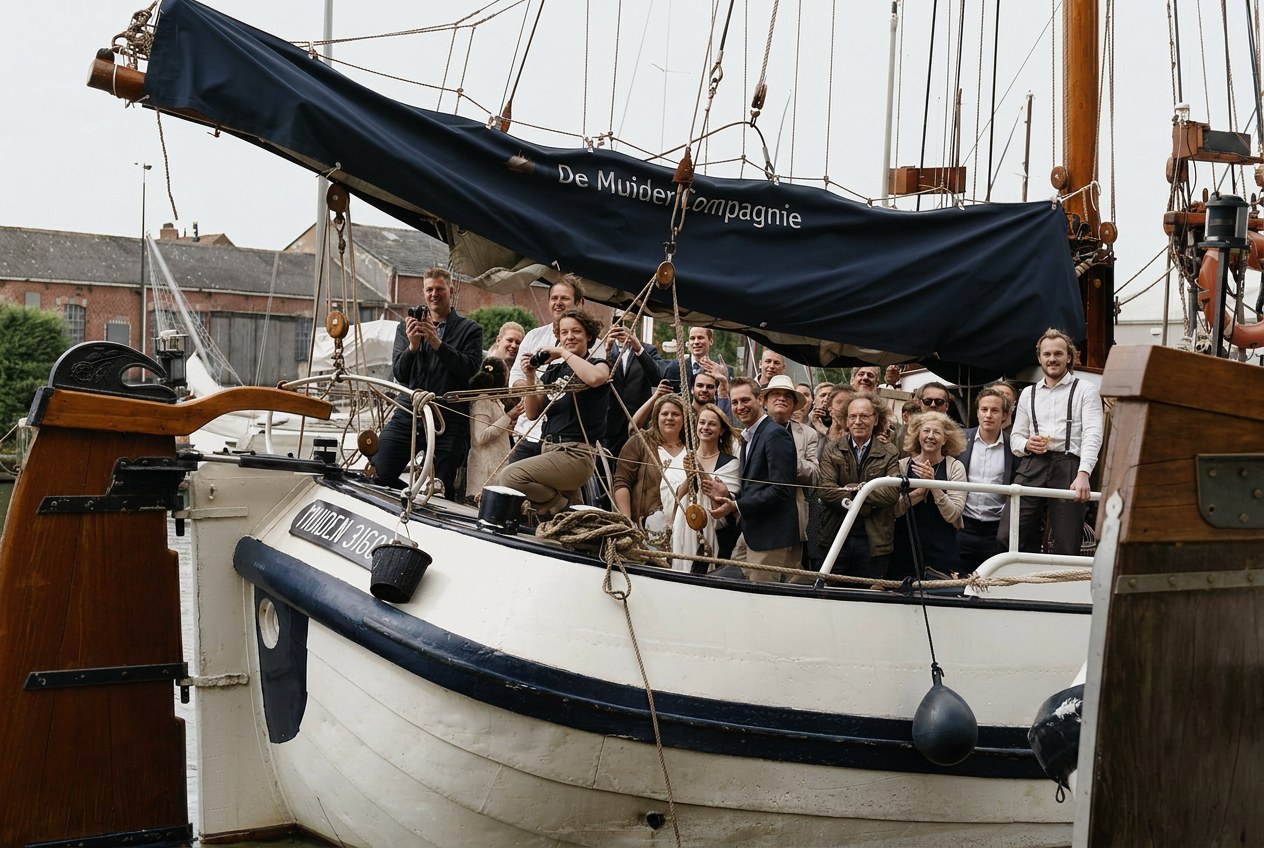
Those seeking space sail out beyond the IJ. On the Markermeer and IJmeer, the city disappears beyond the horizon, and the wedding day grows larger than the guest list. A historic classic tall ship is the natural choice there, with wind in the sails as the only sound during the vows.
by Elise Rijkes
Why the Markermeer is so beloved for weddings
The Markermeer and the adjoining IJmeer offer something the canals, and even the IJ, cannot: total openness. No buildings, no bridges, only water and sky to the horizon. For couples who want to marry not against the backdrop of the city but against that of nature, this cruising area is the most logical choice.
This openness also makes the Markermeer ideal for a historic classic tall ship, which can genuinely sail here rather than merely cruise. The sails give the day a sound and a dynamism no other cruising area can match.
The rhythm of a sailing day
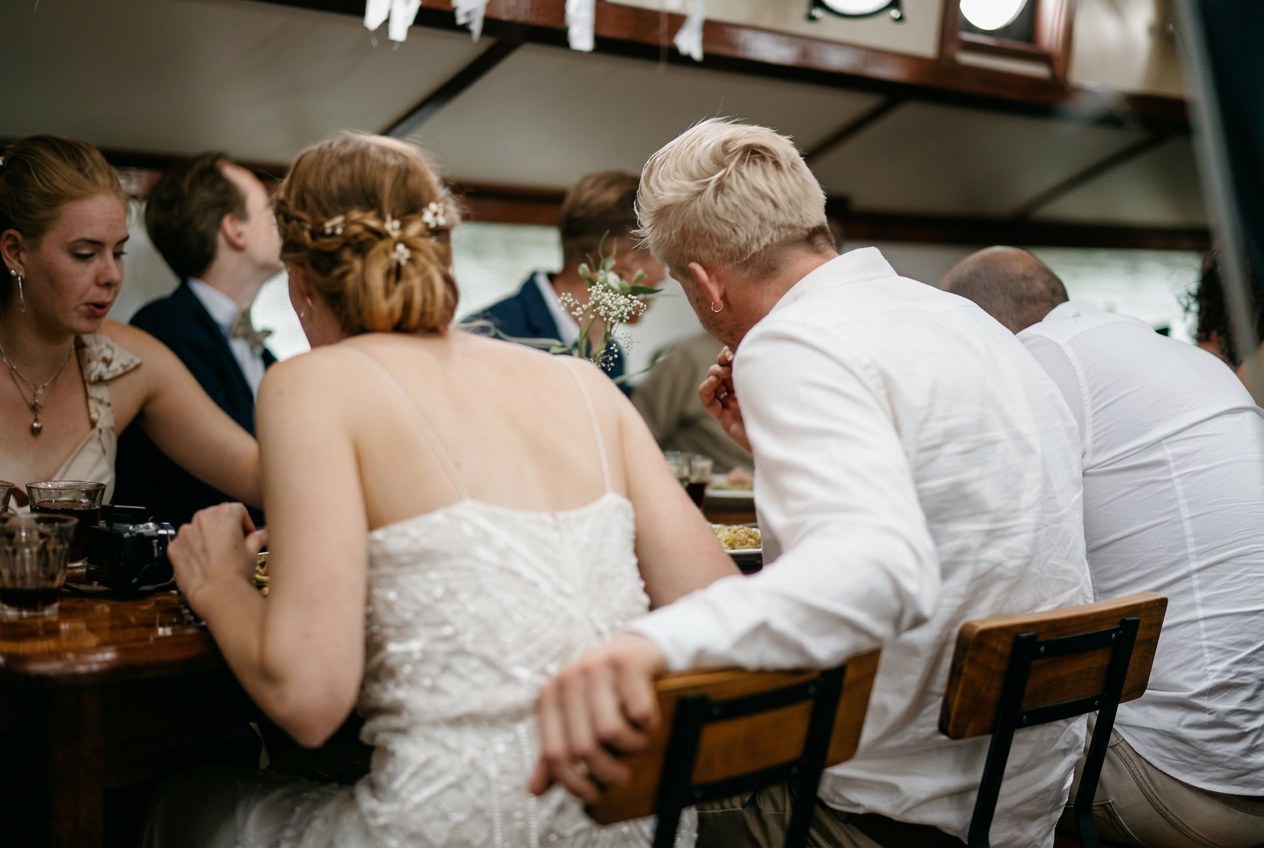
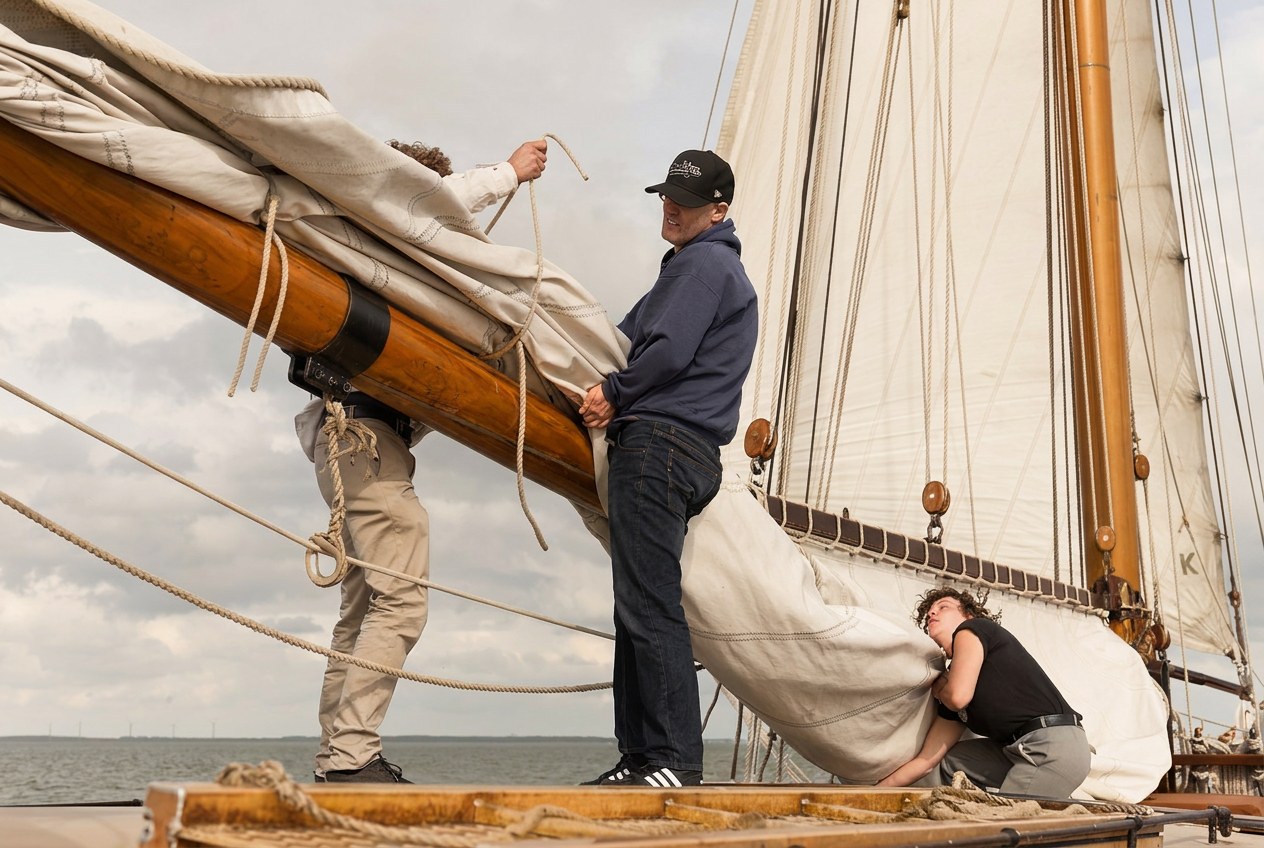
Setting sail through the lock, hoisting the sails on open water, the vows spoken the moment the engine falls silent and only wind and water can be heard. Then a dinner at long tables in the hold, followed by a return trip with lanterns in the rigging that give the vessel an almost fairy-tale appearance at dusk.
Allow eight to ten hours for a full day, including lock timings, hoisting the sails and the return to harbour. That makes a sailing day on the Markermeer one of the most comprehensive wedding formats possible on the water.
Many couples choose to hold the ceremony itself the moment the sails have just been hoisted and the vessel lies still on the water, waiting for wind — an image photographers particularly prize.
Wind, weather and certainty
Sailing depends on wind, but a wedding day should never depend on it. Every historic classic tall ship therefore also sails under engine, and the programme always has an alternative arrangement for calm, rain or excessive wind.
In practice, April to October are the most reliable months for a sailing day with guests, with the steadiest wind conditions in late spring and early autumn. We always discuss a weather alternative in advance, so no one faces surprises on the day itself.
Guests aboard a tall ship
A tall ship asks a little more of guests than a saloon boat: a stairway down to the hold, a deck that moves gently with wind and swell, and shoes without high heels for safe footing on deck. In return comes an experience no one forgets, including guests who enthusiastically pitch in to help hoist the sails.
For older guests, or those with limited mobility, it's wise to discuss the vessel's layout beforehand, so everyone has a comfortable place, both on deck and below in the hold.
Capacity and vessel size on the Markermeer
Historic classic tall ships in this cruising area suit 40 to 150 guests, depending on the size of the vessel and the day's programme. For a seated dinner in the hold, the same rule of thumb applies as for saloon boats: allow sufficient space per guest rather than relying on the maximum licence.
The deck itself offers further room for a standing reception, an open-air ceremony or an informal moment after dinner, while the hold below serves as an atmospheric dining room with wooden beams and warm light.
Route: from lock to open water
Most sailing days start in Amsterdam and pass via the IJ and a lock onto the Markermeer or IJmeer. That lock passage literally marks the transition from city to open water, and many couples experience that moment as the start of the real celebration.
We plan the lock timings well in advance, since waiting times can build up when it's busy, affecting the moment of the vows later in the route.
Dinner and celebration in the hold
The hold of a historic classic tall ship offers a unique setting for a long, convivial dinner: long tables, wooden beams and an intimate atmosphere quite different from the open glass saloons of a saloon boat. Candlelight and warm lighting reinforce that feeling after sunset.
After dinner, the celebration often moves partly onto the deck, where the starry sky and the water form the backdrop for the rest of the evening, while the music from the hold drifts up above.
Why guidance is indispensable for a sailing day
A sailing day has more variables than an ordinary cruise: wind, locks, a longer sailing time and a deck that calls for suitable shoes and styling. Elise Rijkes aligns these details with the skipper and the party in advance, so the day runs smoothly despite the added complexity.
That preparation means couples need only concentrate on the moment itself on the day, while wind, timings and logistics have already been arranged for them.
"When the engine fell silent and only the water could be heard, everyone fell quiet. That was the moment of the vows."
Frequently asked questions
- Does a wedding day on the Markermeer depend on wind?
- Sailing depends on wind, but the vessel always also sails under engine. There is therefore always an alternative programme for calm or excessive wind, so the day proceeds regardless.
- How many guests can join a historic classic tall ship?
- Between 40 and 150 guests, depending on the vessel. The exact number depends on the chosen programme and whether the meal is seated or the celebration mainly standing.
- Which months are most suitable for a sailing day?
- April to October offer the most reliable weather and wind conditions for a sailing day with guests. Within this period, the chance of a pleasant sail is at its highest.
- Is a tall ship suitable for guests with limited mobility?
- With the right preparation, yes. Discuss the deck and hold layout beforehand, so comfortable places are available and no one has to manage a difficult stairway unassisted.
- What happens if it's windy on the wedding day?
- The vessel then sails under engine rather than sail, and the programme is adjusted accordingly. The safety and comfort of guests always come first.
- How long does a full sailing day take, including the lock passage?
- Allow eight to ten hours, including hoisting the sails, the lock passage between the IJ and the Markermeer, and the return journey to the harbour in Amsterdam.
In the mood to talk it through?
One dedicated point of contact, from first idea to the final mooring line.
Plan a conversation